
We carry the weight of monumental, globally documented chapters, but sometimes, the deepest, most vital truths of our identity are hidden in the quiet archives. The untold stories of the everyday, the forgotten heroism, and the struggles that continue long after the headlines fade.
To be South African is to hold a fractured, magnificent puzzle. And for the writers, the poets, the filmmakers, and the griots of this generation, the mandate is clear. We must not just document the present. We must excavate the past to truly understand the measure of our present freedom.
The Power of the Small Story in a Big History
Storytelling is not merely entertainment. It is the most profound technology we have for shaping our understanding of ourselves and our place in the world. When a nation's narrative is monopolized or simplified, its soul shrinks.
Our history, rich with the struggles and triumphs of people. From the quiet resistance in small Free State towns to the seismic cultural shifts in the townships of Gauteng, demands preservation. We know the high-level policy of apartheid, but do we truly know the 30 year love story sustained across provincial boundaries, the inventor who built a system to thwart the pass laws, or the specific culinary traditions that survived through generations of internal displacement?
Mapping the Human Archive
These are the intimate narratives that lend texture, humanity, and, crucially, complexity to the struggle. They move us beyond the grand, often impersonal, historical figures and place the power of resilience squarely in the hands of the people. Writers must become the cartographers of this human archive, mapping the roads less traveled and revealing the hidden reservoirs of strength that define the South African spirit.
The Unrecorded Resistance
Everyday acts of defiance in kitchens, factories, and farms that never made official records.
Cultural Preservation
How language, music, and traditions were secretly maintained and adapted under oppression.
Post-1994 Narratives
The untold stories of transition, healing, and the complex journey toward reconciliation.
The Writer as Architect of Identity
"The responsibility of the writer in a nation still actively forming its post-colonial, post-apartheid identity is immense. We are not just recorders, we are architects."
If we continue to rely on the same well worn narratives, we risk perpetuating a simplified, monochromatic view of ourselves. This is where the call for representation and diversity becomes more than just a social justice plea, it is a foundational necessity for national clarity. Every dialect, every cultural lens, every economic reality must find its voice.
Cultural Fluidity
The contemporary South African storyteller must be fluid, capable of navigating the high-tech urban landscape of Johannesburg while holding the historical cadence of the Eastern Cape or Limpopo.
Intentional Genre Blending
Our stories must reflect the intentional genre blending of our music—a fusion of traditional rhythms with global influences, mirroring the complexity of our collective experience.
Excavating Hidden Archives
We must shed light on the unsung heroes, the women who built the networks, the forgotten artists who paved the way. By centering these perspectives, we are not just adding names to a list. We are forging a more honest, inclusive national memory.
Every community has its own Selby Mvusi—artists, thinkers, and activists whose contributions shaped our cultural DNA without recognition in mainstream history books.
The Unfinished Question of Freedom
Perhaps the most urgent mandate for the modern storyteller is to engage with the profound, unfinished question:
Has true freedom been achieved in South Africa?
This question is not posed to diminish the monumental triumphs of 1994, but to interrogate the lingering disparities of the present. Freedom, in its truest form, must encompass economic liberation, land ownership, dignity, and psychological wholeness.
When writers tell the story of the ongoing struggle, the fight against corruption, the battle for adequate education, the persistence of spatial apartheid in our towns, they act as the conscience of the nation.
By giving voice to the frustrated, the disillusioned, and the resilient, we provide the public discourse with the necessary critical pressure. The moment a story makes us uncomfortable, challenges our assumptions about who holds power, or forces us to look closer at a painful truth, it has fulfilled its highest purpose. It transforms complacency into conversation, and conversation into the potential for collective action.
Beyond political rights to economic empowerment
Addressing the geography of inequality
Healing from historical trauma
A Call to Pen and Purpose
To the writers, the thinkers, the poets, and the creators. The silence around these untold stories is not empty space. It is a profound opportunity.
Your discipline, your insight, and your unique perspective are vital instruments in the continuing evolution of this nation. Do not chase the fleeting trends or the easy narratives. Instead, cultivate the Pulse of Dedication. The patient, rigorous craft required to tell stories that are built to last.
Go deep. Go quiet. Seek out the micro histories and the forgotten victories.
Write with the urgency of someone building a blueprint for the future, knowing that the stories you choose to preserve today will be the foundational texts that define what it means to be South African tomorrow.
The Archives Are Waiting
Pick up your pen and start the excavation. Our future depends on it.
As a true South African saying goes:
"No DNA, just RSA."
Mahlori Mhlanga
Founder, Bantu Stream Connect
Ps, I enjoyed writing this blog. Nothing makes me feel alive like creating does for my soul.
Written by truly yours, the founder of Bantu Stream Connect.
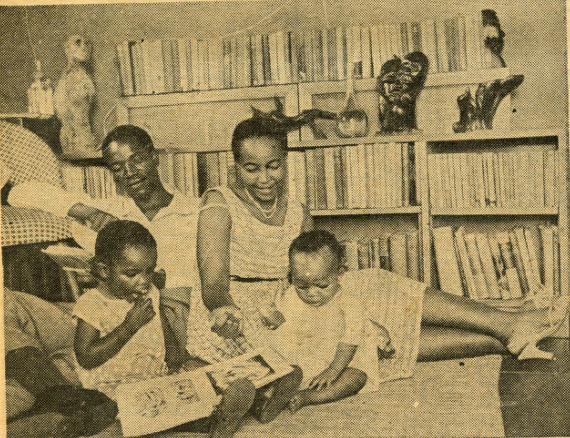
About the Featured Image
Selbourne Charlton Sobizwa "Selby" Mvusi (1929-1967) was a South African artist, poet, activist and academic. A true Renaissance man, he was one of the first black South Africans to earn a fine arts degree and taught at institutions including the University of Fort Hare and the University of Nairobi.
His life represents exactly the kind of rich, complex story this essay calls us to uncover and celebrate. The intellectual and artistic contributions that have shaped our national identity but remain inadequately documented in mainstream historical narratives.